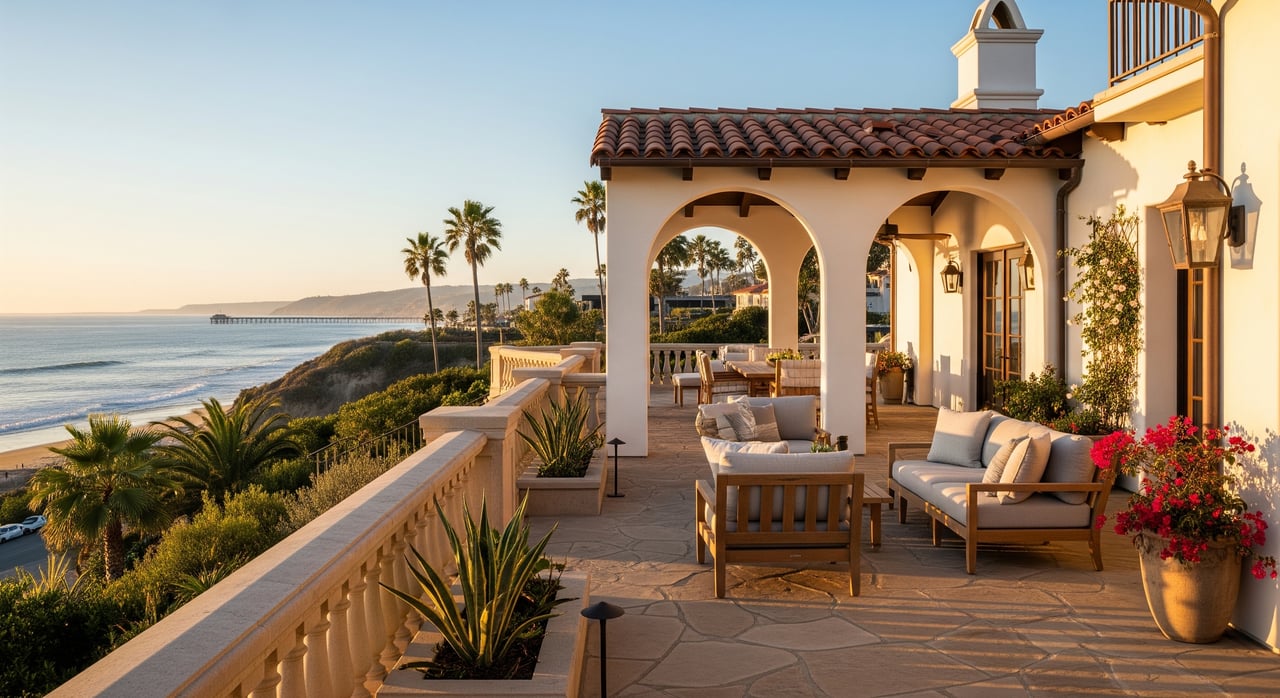
Thinking about making San Clemente home? If you want a true coastal lifestyle with everyday beach access, a lively downtown, and neighborhoods that fit different stages of life, this city stands out. You also want clear, local guidance on where to live, how you’ll get around, and what daily life really feels like. This guide walks you through the neighborhoods, beaches, commute options, and practical tradeoffs so you can decide with confidence. Let’s dive in.
Why San Clemente works
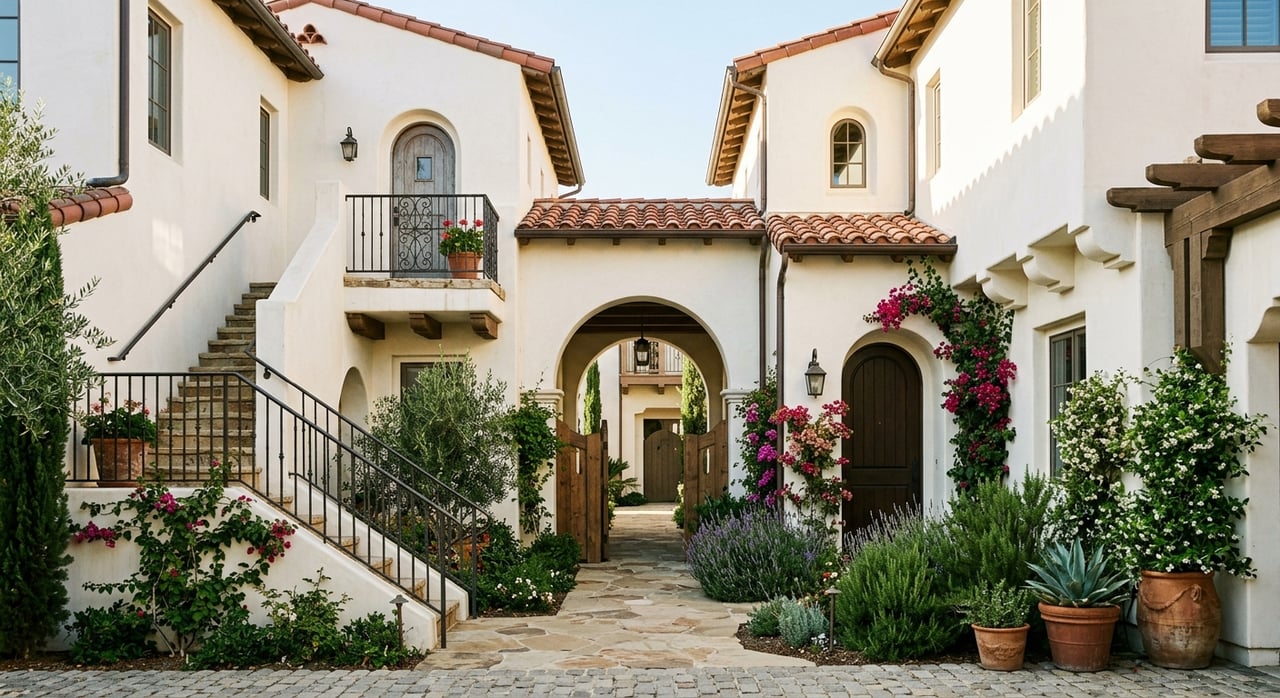
San Clemente sits on the southern edge of Orange County between Dana Point and San Onofre, with a classic “Spanish Village by the Sea” vibe and a relaxed outdoor culture. The city’s official site is a great starting point to learn about municipal services and community programs on the City of San Clemente website. The population is in the mid‑tens of thousands, according to U.S. Census QuickFacts for San Clemente.
The climate is Mediterranean, which means mild, wetter winters and warm, dry summers. A marine layer often cools summer mornings along the coast. For broader climate context, explore NOAA’s U.S. Climate Normals.
You will notice a balance of local employers and commuters. Many residents work across South Orange County or head north to job centers like Irvine and Newport Beach.
Neighborhoods at a glance
San Clemente offers a mix of walkable beach districts, inland subdivisions, and hillside or gated neighborhoods. As you explore, weigh coastal convenience against lot size, parking, and HOA rules.
Downtown and Pier District
If you want to walk to coffee, shops, and the beach, start with Avenida Del Mar and the blocks around El Camino Real. This area puts you near the San Clemente Pier and Main Beach. Expect smaller lots, a lively scene in summer, and limited guest parking in some streets.
Beach enclaves near North Beach and Calafia
Homes near the water lean toward older cottages, remodeled bungalows, and multifamily pockets close to transit and coastal trails. You get immediate beach access and ocean views in some spots. The tradeoff is tighter lot patterns and greater competition for street parking.
Inland subdivisions and family hubs
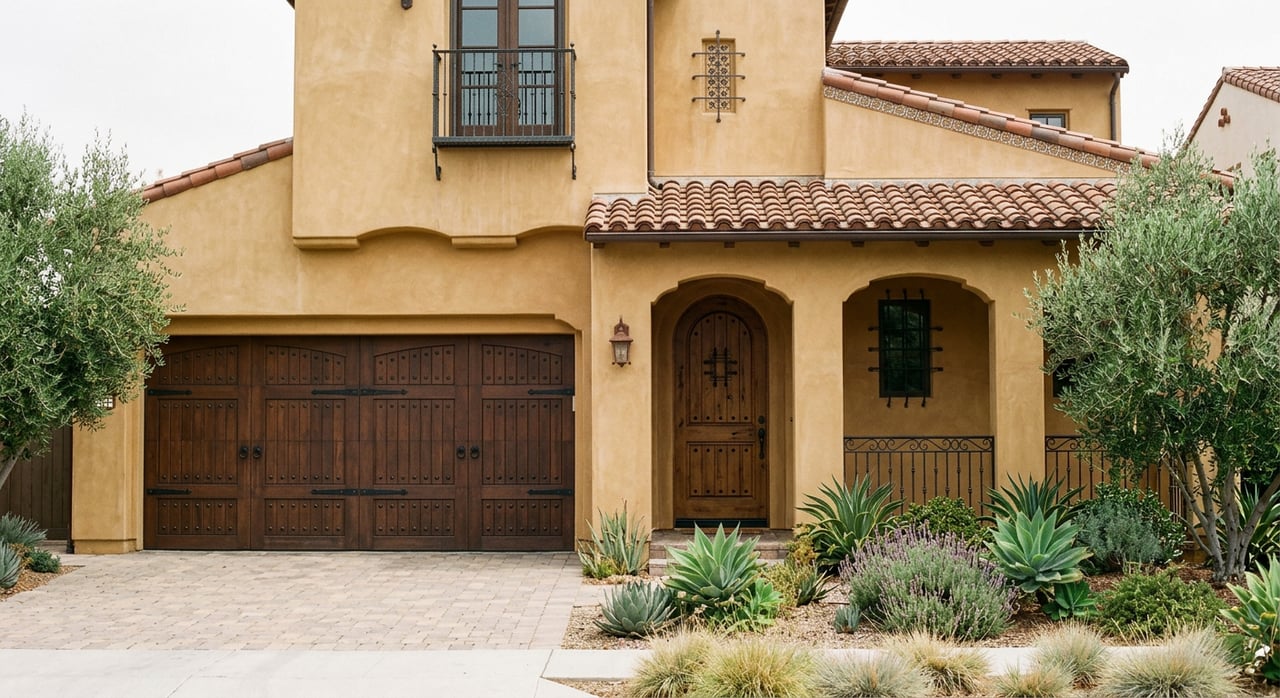
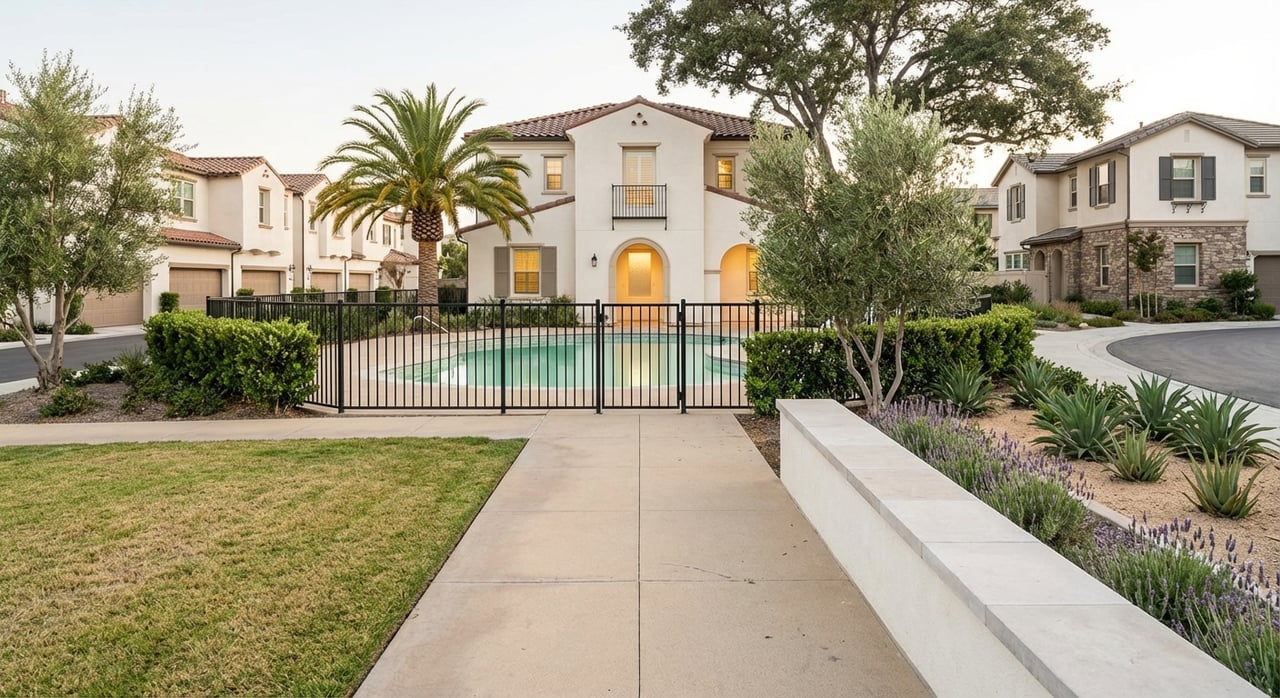
East of I‑5, you will find larger tract homes, parks, and community amenities. These neighborhoods often include HOAs, neighborhood play spaces, and a quieter street feel. You trade a longer drive to the beach for more space and newer construction.
Gated, hillside, and view homes
On the bluffs and hillsides, privacy and ocean views are the draw. Gated communities and custom streetscapes appear more often here. Buyers focus on orientation, setback rules, and maintenance needs that come with view properties.
Condos, townhomes, and 55+
San Clemente has condo and townhome options near retail corridors and commuter routes. Age‑restricted communities exist in the broader region, so verify current availability if that is on your list. If you are comparing HOAs, look closely at monthly fees, amenities, and rules.
Coastal tradeoffs to consider
- Proximity to the water often means smaller lots and higher premiums.
- Parking near popular beaches can be constrained in peak seasons.
- Coastal permits and setbacks may influence remodels or additions. Review local coastal zone rules and learn more about statewide guidance via the California Coastal Commission.
Beaches, trails, and surf culture
San Clemente’s beaches and trails shape daily life, from morning walks to sunset surf checks.
Signature beaches and the pier
The San Clemente Pier and Main Beach form the social heart, with restaurants and shops nearby. Campers and day‑trippers favor San Clemente State Beach and San Onofre State Beach, both managed by the California Department of Parks and Recreation. Expect more visitors on summer weekends and holidays.
Trails, parks, and open space
The coastal trail offers scenic walks and runs, connecting beaches and neighborhoods along the bluffs. Inland parks, bike paths, and nearby foothills give you hiking options and room to roam. Golf, tennis, and community recreation centers add to the year‑round mix.
Surfing as a local rhythm
From Trestles to lower‑coast breaks, surf culture is part of the city’s identity. You will see early‑morning traffic to the beach and a cluster of surf shops and events. Not everyone surfs, but the culture influences local businesses and seasonal patterns.
Daily conveniences and services
You will find an easy blend of independent local spots and larger retailers within a short drive.
Shopping and dining
Avenida Del Mar and surrounding downtown streets offer cafes, boutiques, and services with a neighborhood feel. Larger retail and everyday essentials are a quick trip inland. For community events and business directories, the San Clemente Chamber of Commerce is a helpful reference.
Schools and education
Local public schools are part of the city’s education fabric, with a generally strong reputation in the wider area. Always review current performance data and enrollment details through the California Department of Education and individual school report cards. If schools are a key factor, confirm attendance boundaries and program offerings directly with the district.
Health care and safety
You will find primary care, urgent care, and specialists in town, with full‑service hospitals located in nearby cities. For emergency services and local public safety updates, check the city’s official pages and providers listed there.
Getting around and commuting
Plan for flexible travel times, especially during peak hours or busy beach weekends.
Driving the I‑5 corridor
Interstate 5 is your main north‑south route, linking San Clemente to the rest of Orange County and beyond. Commute times to South OC job centers commonly range from about 25 to 50 minutes, depending on time of day and traffic. Always check real‑time apps for the best routes.
Rail and bus options
Regional rail and buses serve parts of the coastal corridor. Metrolink provides commuter rail service across Southern California, and Amtrak’s Pacific Surfliner connects coastal cities across the region. See Metrolink’s system overview, the Amtrak Pacific Surfliner route, and OCTA bus service for maps and schedules.
How it compares to nearby cities
If you are exploring South Orange County, here is quick context for picking the right fit.
- Dana Point: Coastal living centered on a marina and harbor lifestyle. Similar beach access with more boating focus.
- San Juan Capistrano: Historic inland core anchored by the Mission and a commuter rail stop. Often a wider mix of housing types.
- Laguna Beach: Art‑centric vibe with dramatic, cliffside topography. Boutique retail and galleries define the scene.
- Mission Viejo and Lake Forest: Master‑planned suburbs inland. More space and amenities, longer drives to the beach.
- Newport Beach and Corona del Mar: Upscale coastal markets with marinas, luxury retail, and higher price points.
Practical considerations before you buy
You will make a stronger decision by understanding local rules, maintenance needs, and seasonal rhythms.
Coastal hazards and maintenance
Bluff erosion and sea‑level factors can influence setbacks and construction choices. Review property disclosures, talk with your inspector, and study coastal rules that apply to your lot. For statewide coastal policy context, visit the California Coastal Commission.
Parking, permits, and short‑term rentals
Near the pier and popular beaches, parking can be limited during peak season. If you plan to host guests or short‑term rentals, confirm the latest city ordinances, caps, and permit requirements on official city pages. Rules and enforcement can change.
Wildfire and emergency readiness
While San Clemente is coastal, regional wildfires can affect air quality and travel routes. Review local fire agency guidance, evacuation maps, and preparedness checklists so you are ready during high‑risk periods.
Is San Clemente right for you?
If you value beach access, a relaxed downtown, and an outdoor‑forward lifestyle, San Clemente checks a lot of boxes. You will want to balance coastal convenience with parking, HOA rules, and commute patterns. A local advisor can help you compare neighborhoods, assess renovation potential, and plan your move with confidence.
Ready to explore homes or talk strategy? Schedule a free consultation with Sean Allen to get neighborhood‑by‑neighborhood guidance, renovation‑informed insights, and a clear path to your next move.
FAQs
What is daily life like in San Clemente?
- Expect a coastal rhythm with morning marine layer in summer, walkable downtown blocks near Avenida Del Mar, and a mix of local shops, parks, and beach time.
Which San Clemente neighborhoods are most walkable near the beach?
- Downtown and the blocks around the pier offer the highest walkability, while nearby beach enclaves trade lot size and parking for quick shoreline access.
How does commuting from San Clemente to Irvine usually work?
- Most people take I‑5, with typical drives ranging widely by time of day. Plan for 25 to 50 minutes during many daytime windows and check real‑time conditions.
What should I know about San Clemente beaches and surf culture?
- The pier and Main Beach are community hubs, and nearby state beaches draw visitors. Surfing is part of the city’s identity, with world‑known breaks influencing seasonal activity.
What should I review about schools in San Clemente?
- Use the California Department of Education and individual school pages for current performance data, enrollment, and program options before you decide on a neighborhood.
Are there special rules for coastal properties in San Clemente?
- Yes, coastal zones can have setback, permit, and construction limits. Review disclosures and consult the California Coastal Commission for broader guidance.